
Introduction
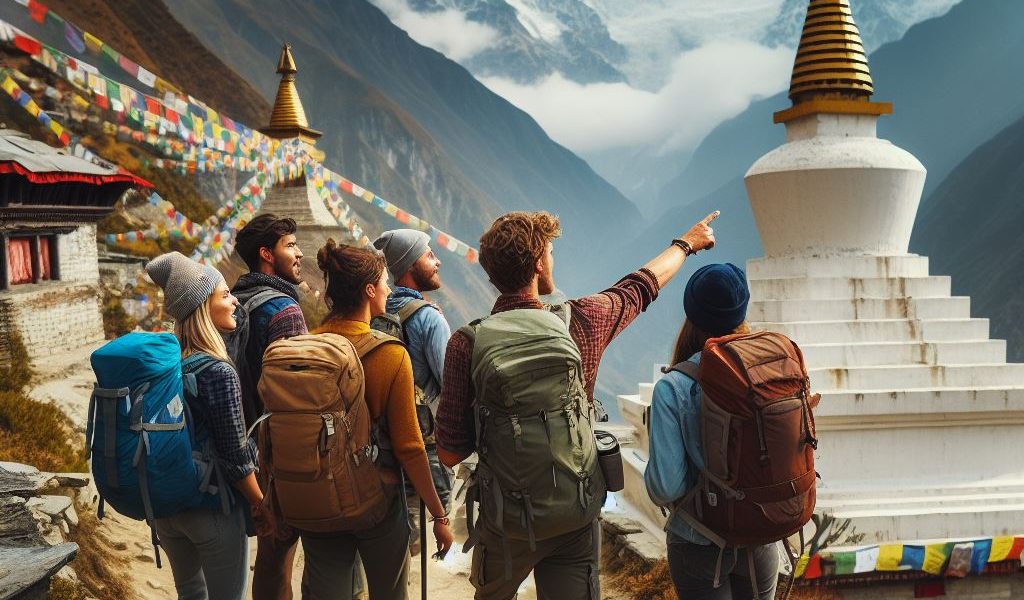
Nepal is a trekker’s paradise, home to the world’s highest peaks, including Mount Everest, and dozens of awe-inspiring trails that weave through the majestic Himalayas. From beginner-friendly hikes to strenuous multi-week expeditions, trekking in Nepal offers an unparalleled adventure. But before lacing up your boots, it’s essential to be well-prepared.
In this definitive guide, we’ll cover everything you need to know before trekking in Nepal—how to prepare, what to bring, how to stay safe, whether to hire a guide, permit requirements, and which treks are best for beginners.
Why Trekking in Nepal is Unique
Trekking in Nepal is not just about physical challenge or scenic beauty—it’s a cultural experience. You’ll walk through ancient villages, witness religious rituals, interact with friendly locals, and encounter wildlife and unique biodiversity. Every trail is a journey into the soul of the Himalayas.
How to Prepare for a Trek in Nepal
1. Physical Fitness
While not all treks require peak physical condition, it’s crucial to build stamina and cardiovascular strength. Begin training at least 8-12 weeks before your trek:
- Cardio exercises: Hiking, running, cycling
- Strength training: Core, legs, and back
- Hiking practice: Practice with a weighted backpack
2. Mental Preparation
Trekking in remote regions can be mentally challenging. Be prepared for basic facilities, unpredictable weather, and limited communication.
3. Acclimatization
Acclimatization is crucial for high-altitude treks. Never ascend more than 500 meters per day above 3,000m and always include rest days.
4. Travel Insurance
Get travel insurance that covers high-altitude trekking, helicopter evacuation, and medical emergencies.
Is Trekking in Nepal Safe for Beginners?
Yes, Nepal offers many treks suitable for beginners. However, the safety of the journey depends on the level of preparation and the choice of the right trek. We highly recommend hiring a certified local guide, especially if it’s your first time. The trails in mountain areas are often not as clearly marked as expected, and the weather in the Himalayas is highly unpredictable.
Every year, incidents such as injuries, altitude sickness, and lost trekkers are reported. A local guide enhances safety, provides cultural insights, and contributes to the local economy.
Essential Trekking Gear Checklist
-
Footwear: High-ankle waterproof hiking boots (well broken-in)
-
Clothing:
-
Moisture-wicking base layers
-
Insulated jacket
-
Waterproof shell
-
Trekking pants and thermal underwear
-
-
Accessories: Hat, gloves, UV sunglasses, buff
-
Backpack: 35–50L with rain cover
-
Sleeping Bag: Rated for -10°C to -20°C, depending on the trek
-
Trekking Poles
-
Headlamp with extra batteries
-
Water Bottle with purification tablets or filter
-
Snacks and Energy Bars
-
First Aid Kit: Include Diamox, paracetamol, blister care, etc.
-
Documents: Passport, TIMS card, permits, insurance copy
Best Treks in Nepal for Beginners
1. Mardi Himal Trek
- Duration: 4-5 days
- Max altitude: 4,500m
- Region: Annapurna
- Highlight: Close view of Machhapuchhre (Fishtail)
2. Langtang Valley Trek
- Duration: 7-10 days
- Max altitude: 3,870m
- Region: Langtang
- Highlight: Glaciers, Tamang culture, and wildlife
3. Everest View Trek
- Duration: 5-7 days
- Max altitude: 3,867m
- Region: Everest (Khumbu)
- Highlight: Views of Everest without going to Base Camp
4. Annapurna Base Camp Trek
- Duration: 7-12 days
- Max altitude: 4,130m
- Region: Annapurna
- Highlight: Surrounded by giant Himalayan peaks
Trekking Permits in Nepal
General Permits:
- TIMS Card (Trekkers’ Information Management System):
- Cost: NPR 2,000
- National Park Entry Permits:
- Sagarmatha National Park: NPR 3,000
- Langtang National Park: NPR 3,000
- Annapurna Conservation Area (ACAP): NPR 3,000
Restricted Area Permits (With Guide Only):
| Region | Permit Fee (Per Week) |
|---|---|
| Upper Mustang | USD 500 (first 10 days), USD 50/day thereafter |
| Manaslu (Sep–Nov) | USD 100 (first 7 days), USD 15/day thereafter |
| Manaslu (Dec–Aug) | USD 75 (first 7 days), USD 10/day thereafter |
| Tsum Valley | USD 40/week (Sep–Nov), USD 30/week (Dec–Aug) |
| Nar Phu Valley | USD 100 (Sep–Nov), USD 75 (Dec–Aug) |
| Dolpo (Lower) | USD 20/week |
| Dolpo (Upper) | USD 500 (first 10 days), USD 50/day thereafter |
| Humla (Simikot-Yari) | USD 50/week, USD 10/day thereafter |
| Kanchenjunga | USD 20/week |
Note: Restricted area treks must be booked through registered trekking agencies with a government-licensed guide.
Trekking Do’s and Don’ts
✅ Do’s:
-
Respect local customs and dress modestly
-
Greet locals with “Namaste” and a smile
-
Carry cash in small denominations
-
Purify drinking water before consumption
-
Walk clockwise around chortens and stupas
❌ Don’ts:
-
Don’t litter – pack out all waste
-
Avoid wearing revealing clothes in villages
-
Don’t point your feet at sacred objects
-
Don’t bargain too aggressively with locals
-
Don’t underestimate altitude sickness
Fitness Requirements for Trekking in Nepal
Your fitness level should match your trek’s difficulty. For easy treks (Mardi Himal, Poon Hill, Langtang), moderate fitness and the ability to hike 5–6 hours a day are enough. For more challenging treks like Everest Base Camp or Annapurna Circuit, you need:
-
Excellent cardiovascular fitness
-
Ability to walk 6–8 hours daily
-
Comfort with steep ascents and descents
Preparing for Specific Treks
Annapurna Trek:
-
Cardiovascular training and multi-day hiking practice
-
Acclimatization days at Manang or Thorong Phedi
-
Hydrate often and avoid alcohol
-
Best Season: March–May and October–November
Everest Base Camp Trek:
-
Longer training (8–10 weeks) and altitude simulation (if possible)
-
Slow pace and rest days in Namche Bazaar and Dingboche
-
Hydration and nutrition are key
-
Prepare for basic teahouse lodging and limited amenities
Tips for Trekking in Nepal
- Carry cash (ATMs are not available in remote areas)
- Rent gear in Kathmandu or Pokhara if needed
-
Start Early: The Weather is clearer in the morning
-
Hydrate Frequently: 3–4 liters per day
-
Acclimatize Gradually: Follow the golden rule: “Climb high, sleep low.”
-
Pack Light: Only essentials—porters carry max 15–20kg
-
Carry Snacks: Mountain food can be bland or limited
-
Download Offline Maps: Maps.me or Gaia GPS
-
Respect Nature: Leave no trace behind
Trekking Without a Guide: Is it Possible?
Yes, independent trekking is allowed in most parts of Nepal except restricted areas. However, since April 2023, the Nepal Tourism Board requires foreign trekkers to hire a licensed guide or porter for treks in national parks and conservation areas due to safety concerns.
Why? Every year, incidents occur—missing trekkers, altitude sickness, sudden snowstorms—many of which could be prevented with local support.
❝ Trails in the mountain areas are not always what we expect, and mountain weather is highly unpredictable. For your safety and to support local livelihoods, we strongly recommend hiring a certified local guide. ❞
Important Things to Know Before Coming to Nepal
- Visa: Obtain a visa on arrival or online. Fees: $30 (15 days), $50 (30 days), $125 (90 days)
- Currency: Nepalese Rupee (NPR); carry small denominations
- Connectivity: SIM cards with data are widely available
- Electricity: 230V, Type C, D, and M outlets
- Food: Dal Bhat, momo, and other local delicacies; stick to fresh-cooked meals
- Altitude Sickness: Understand the symptoms and prevention (acclimatize, ascend slowly)
- Responsible Travel: Respect the environment and local customs
Frequently Asked Questions (FAQs)
1. What is the best time to trek in Nepal?
A: Spring (March–May) and Autumn (September–November) offer the best weather and visibility.
2. Do I need vaccinations before coming to Nepal?
A: Yes, consider vaccinations for Hepatitis A, Typhoid, and Tetanus. Consult your doctor.
3. Can I buy or rent gear in Nepal?
A: Yes, gear rental shops in Kathmandu and Pokhara offer everything from jackets to sleeping bags.
4. What if I get altitude sickness?
A: Descend immediately, rest, hydrate, and seek medical help. Guides are trained to handle emergencies.
5. Are solo female travelers safe in Nepal?
A: Nepal is generally safe, but it’s best to trek with a guide or group for added safety.
6. How much does a typical trek cost?
A: Budget treks can start from USD 30–50/day, while premium treks (with guides, porters, meals, lodging) can cost USD 100–200/day.
Final Thoughts
Trekking in Nepal is not just a physical adventure—it’s a spiritual, emotional, and cultural journey that stays with you for a lifetime. Whether you’re gazing at the mighty Himalayas or sipping tea in a remote village, every step you take here becomes a story worth telling.
While trekking independently is possible, the trails can be harsh, and nature is unpredictable. Hiring a local guide ensures safety, enriches your experience, and contributes directly to the local economy.
So, lace up your boots, pack your spirit of adventure, and let the mountains call you. Nepal is waiting.
Looking for the best guided trekking experience in Nepal?
At Amazing Nepal Adventure, we offer expertly curated trekking packages across Nepal, Bhutan, Tibet, and India. Our certified local guides, personalized service, and deep local knowledge ensure every step you take is safe, enriching, and unforgettable.
Start your Himalayan adventure today. Contact Us Now
